

Indie pop artist Washed Out's new song 'The Hardest Part' explores one of the most human themes of all: heartbreak.
But ironically, to explain the song's sense of longing, the musicians turned to something far less flesh and blood: artificial intelligence.
With Thursday's release of “The Hardest Part,” Macon, Ga.-based Washed Out (real name Ernest Green), a music video using OpenAI's Sora text-to-video technology, has joined forces with major music artists and movies. This was our first collaboration with a producer. According to the singer-songwriter's record label, Sub Pop.
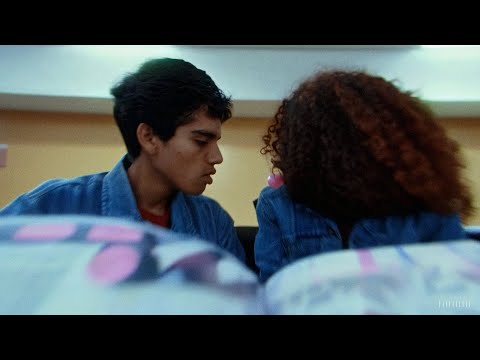
The nearly four-minute video, directed by Paul Trillo, quickly introduces viewers to key elements in the couple's lives. Viewers watch the characters, a red-haired woman and a dark-haired man, go from flirting and smoking in her 1980s high school to getting married and having children. “Don't cry, it's okay,” Green sings softly. “The hardest thing is not being able to go back in time.”
The couple isn't played by real actors. These are completely digitally created by Sora's AI.
This video could be the start of a potentially groundbreaking trend in using AI in video production.
“I think where we are right now is just on the verge of exploding. So I'm looking forward to being able to incorporate some of this new technology and seeing what it comes up with for me,” Green said. he said in an interview. “So if it’s something pioneering, we’d love to be a part of it.”
“The Hardest Part” is the lead single from Green's new self-produced album “Notes From a Quiet Life,” scheduled for release on June 28th, and is the longest music video ever made with Sora technology. . This program creates short clips based on written text prompts. This allowed Trillo to construct scenes in ways that would be many times more expensive using real actors, sets, and locations.
“We didn't have any budget constraints or the need to travel to different places, so we were able to explore different endings in this couple's lives,” Trillo said.
Trillo is one of the creators who has early access to Sora, which is not yet available to the public. OpenAI announced Sora in February and has been testing the system with directors and meeting with Hollywood executives and producers. Trying to solve problems and address intellectual property issues.
AI innovations have been highly controversial in many sectors, including the music industry, which has been plagued by the use of video and audio “deepfakes” that falsely represent an artist's image or voice. Musicians and others are pushing for legislation to combat such misleading creations, and talent agencies are working with tech startups to crack down on unauthorized digital copying.
The introduction of Sora, from the same company that created the text-based AI model ChatGPT, sparked concerns in Hollywood and elsewhere that it could have a devastating impact on jobs and production. . Still, it sparked excitement among some creators about how they could bring their visions to life on screen without being constrained by special effects budgets or travel restrictions.
Both Green and Trillo said you can do more with Sora on a budget than with a physical set. Sub Pop does not disclose how much it costs to produce the video. This music artist does not pay OpenAI any fees to use its technology in his music videos.
The pair had explored other ideas, such as hiring dancers and filming in locations similar to the green hills featured in the artwork for Greene's new album, but time and financial constraints made this difficult. There was found. Trillo then suggested using Sora for an experiment.
Green, who music TV viewers may recognize from the theme song for the satirical comedy show “Portlandia,” was hesitant at first.
“I feel like most of my music and the videos I've made over the years always start from a really emotional and honest place,” Green said, adding that the AI videos he's seen so far He noted that there are many examples of the frightening “uncanny valley,” where humans resemble but are eerily artificial.
Nevertheless, Green was willing to experiment. So Trillo tried out different concepts to see what would work for video. Using this technology, we can now explore all the different outcomes of a couple's life across multiple locations by creating elaborate text-based prompts. He compiled about 55 clips of the roughly 700 videos he generated using Sora and completed the video in about six weeks.
“Now I don't have to edit it myself,” Trillo said. “It just allowed me to try things out, so that naturally led to different kinds of stories. I was able to throw things at the wall and see what sticks.”
To produce a usable clip, Greene had to create a prompt that included enough specific details about the image itself, as well as the angle of the shot and the movement of the characters. “We zoom into an open soccer field with bubbles popping and zooming bubblegum,” Trillo writes as part of the video's short snippet prompt. “The scene is moving rapidly, showing a frontal perspective, and you can see the students getting bigger and faster.”
The final music video for “The Hardest Part” shows several locations, including a high school, a grocery store, rolling hills, a hallway with billowing white sheets, and a wall of flames.
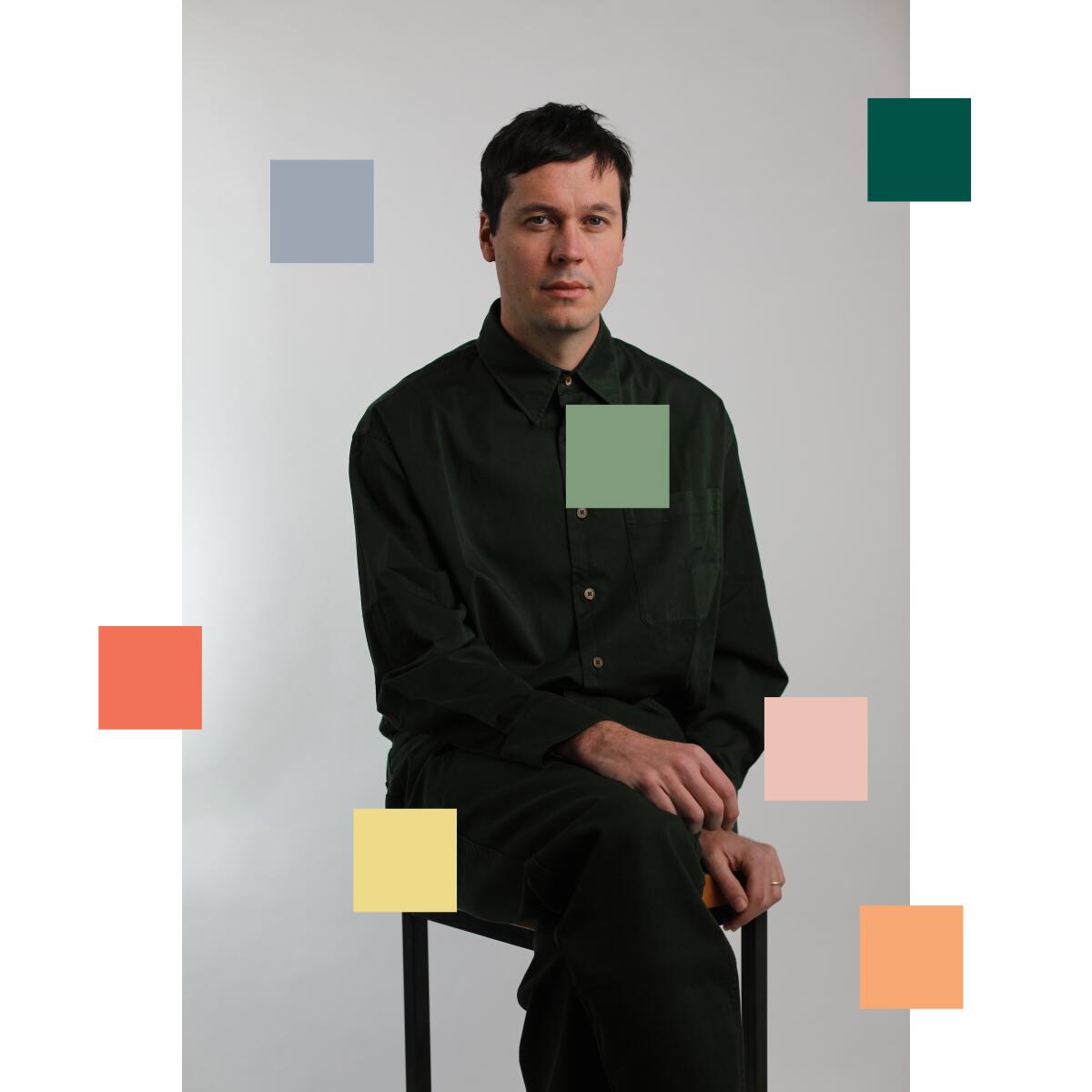
Music artist Ernest Green, known as “Washed Out,” will release a new album on June 28th.
(Ernest Green)
There were some limitations. Sometimes Trillo would come up with an idea and Sora would make it happen. It can also create something chaotic and unusable. The video contained inconsistencies, which Trillo sometimes ignored. The characters vary slightly from clip to clip, but so do the couple's children.
Part of the video's artistic appeal is its dream-like state, a recollection of the couple's life that explains the fuzziness of human memory.
“You need to know where to fight,” Trillo said of Sora. “To tackle this, you have to surrender a little bit of your free will and you have to accept the nature of how chaotic it is.”
“I was really amazed at how much he was able to help put the story together,” Green said.
Greene and Trillo said they think AI could open up more possibilities for people to push the music video art form forward: Because music videos are typically short and much less expensive to produce than feature films or TV episodes, they're a logical medium to try out AI.
But for Trillo, it's important that this isn't used as a new creative method, but as another tool in the toolbelt.
“A lot of music videos don't have the budget to really dream big,” Trillo says. “I think AI can contribute to the music industry in terms of creating things that even Ernest could dream of and perhaps never dreamed of before.”