

Tides: Specifications
Library size: 110 million tracks
Audio quality: 16 bit/44.1 kHz to 24 bit/192 kHz
Audio file format: FLAC
Platform support: web browser and mobile app
Tidal may not be as popular as Apple Music or Spotify, but it's the go-to streaming platform for lossless and high-resolution music. Listen to over 110 million tracks in CD-quality sound, plus 650,000 videos and a wealth of exclusive content, including livestream concerts, podcasts, and more. No music app can match this level of curation, and no app offers better artist rewards (up to $0.015 per stream) than Tidal. And it has unparalleled audio quality.
Tidal is known for its Hi-Res MQA format. At its inception, MQA allowed high-resolution audio files containing large amounts of data to be “packed” for easy streaming from music servers over bandwidth-limited digital networks and “unpacked” by compatible MQA playback. I was trying to make it possible. devices in our home.
However, as digital networks and infrastructure improve, Tidal began phasing out support for the MQA format and began making its high-resolution library available in FLAC format in June 2023. With support for immersive sound technologies like Dolby Atmos and Sony's 360 Reality Audio and the best streaming features, Tidal is a great service that allows artists and studio engineers to hear songs exactly as they intended.
Read our full Tidal review to see why it's one of the best music streaming services right now.
Updated: April 2024 to reflect Tidal subscription price changes.
Tidal Review: Price
Tidal price plan
Swipe to scroll horizontallyPlanTidalDJ ExtenstionPersonal$10.99 / £10.99 / AU$12.99$9.00 / £9.00Family (up to 6 accounts)$16.99 / £16.99 / AU$19.99Row 1 – Cell 2 Student$4.99 / £4.99 / AU$5.99Row 2 – Cell 2
To keep pace with its competitors, Tidal is combining its lossless audio 'HiFi' tier and high-definition 'HiFi Plus' tier into one new ad-free personal plan for just $10.99 / £10.99 per month / Streamlined subscription plan for AUD $12.99. . This includes access to a complete high-resolution audio library, Dolby Atmos and Sony 360 Reality Audio spatial audio content.
The new plan is simply called Tidal and will roll out on April 10, 2024. His HiFi and HiFi Plus tiers on Tidal will no longer exist.
Tidal's subscription plans are available on the music platform's homepage, and there are plenty of perks that make Tidal even more valuable. Tidal's recent introduction of its new Share Anywhere feature is another great advancement by the streaming service, and one of several ways it is ahead of its competitors.
Family plans start at $16.99 per month and allow you to add up to six accounts. There is a significant discount for students, and the service costs $4.99 per month.
Tidal does not currently offer an annual plan. When you sign up, you'll automatically receive a 30-day free trial. You can cancel at any time before the trial period ends.
Tide Review: Availability
(Image credit: Simaudio)
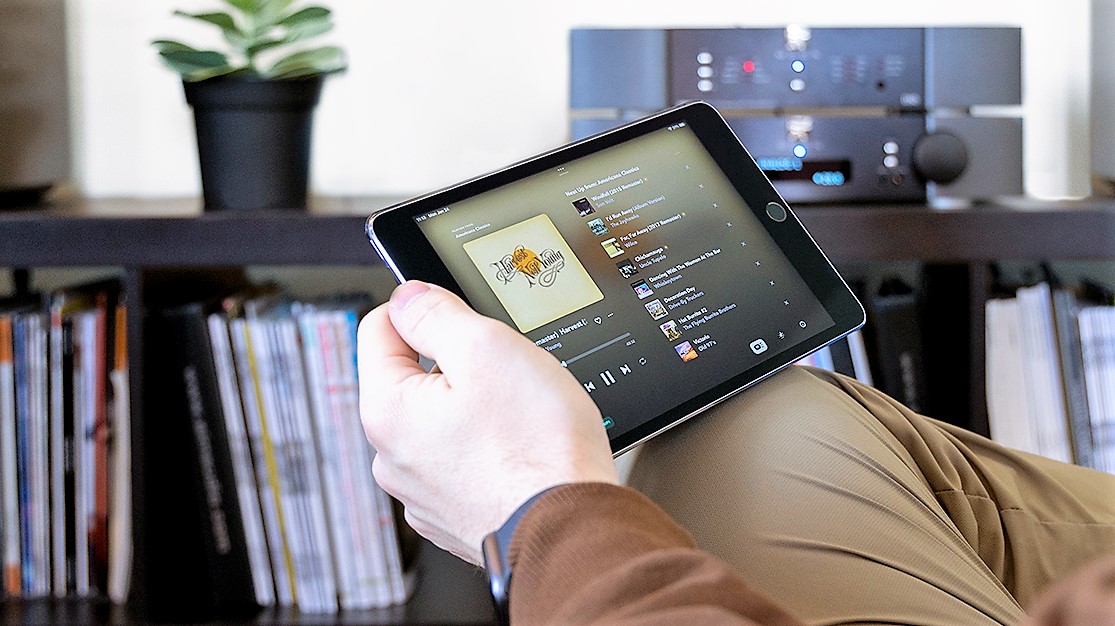
Tidal is available as both a mobile application and a web application. Apple users can download it to their iOS (iPhone, iPad) or OSX device (MacBook, Mac desktop) via the App Store. Android users can do the same through Google Play. A PC version for use with Windows machines is also available for download from the Microsoft Store.
Many devices support Tidal, including the best wireless speakers, best phones, best smart TVs, best streaming devices, best smartwatches, and more. A Mercedes-Benz owner can also stream his Tidal content in the highest quality through the Mercedes me Portal via Bluetooth or a Mercedes me adapter (for his 2002 and later models without connectivity). can.
Tidal Review: Features
(Image credit: Tom's Guide)
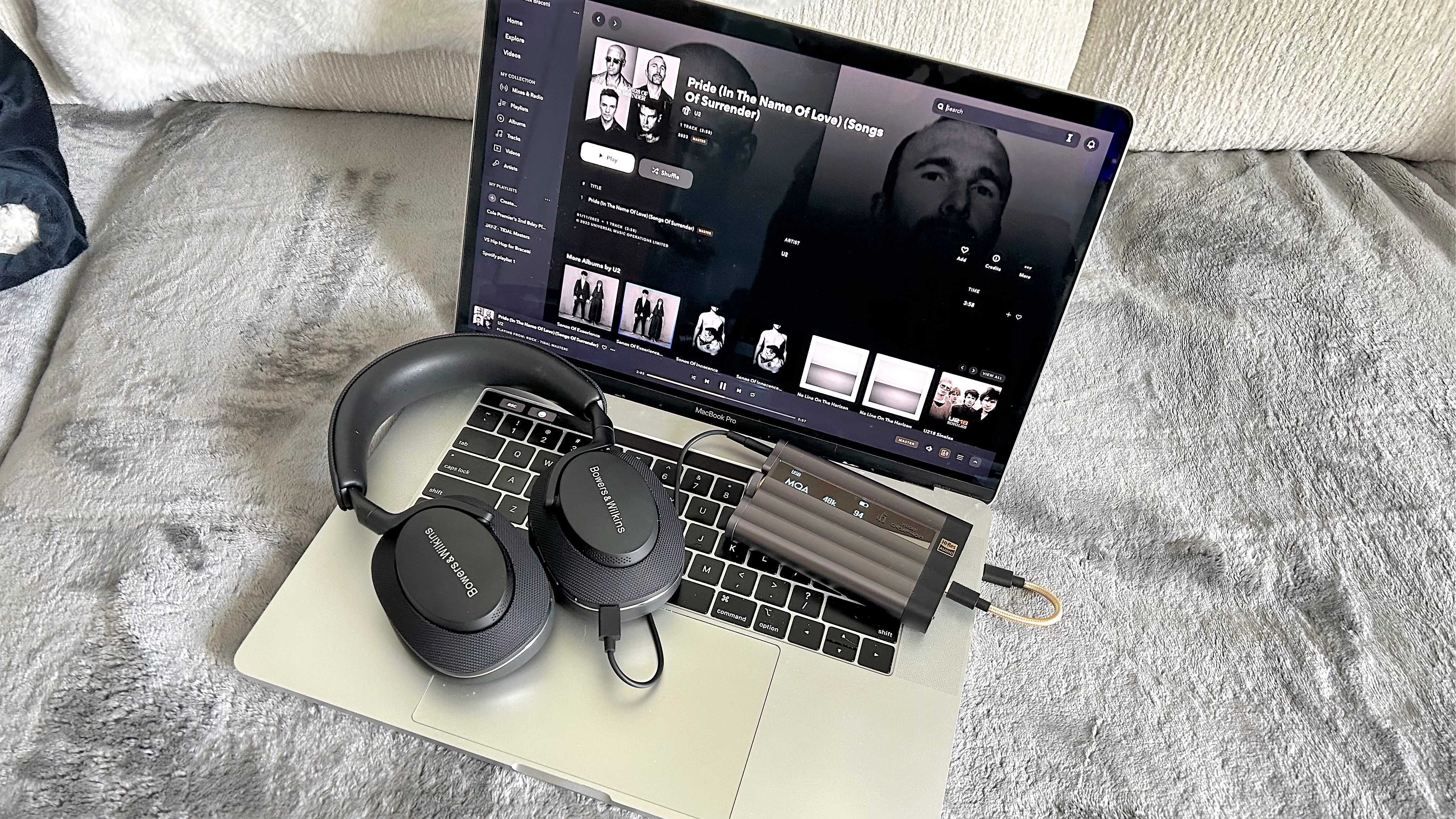
What makes Tidal a sonic streaming giant is its features. After the March 2024 update, users will be able to share universal links to songs and albums, allowing them to open those tracks in any service they use to listen to music. This is an important step, meaning Tidal users can now share their favorite new songs with Spotify or Apple Music users, and the recipient can open the song on his preferred streaming platform. Now it's clean.
However, Tidal's star feature is its lossless audio capabilities and Hi-Res tracks, which are currently only available to HiFi Plus subscribers but will soon be included in one new Tidal subscription. Two other features bundled with this package are 360 Reality Audio and Dolby Atmos spatial audio integration.
Tidal has the largest high-resolution catalog available. Not everything on the platform is a master recording, but if you set his HiFi as a streaming option, you can get his CD-quality sound at 1,411kbps. CD-quality audio comes standard with every Tidal paid subscription.
(Image credit: Tom's Guide)
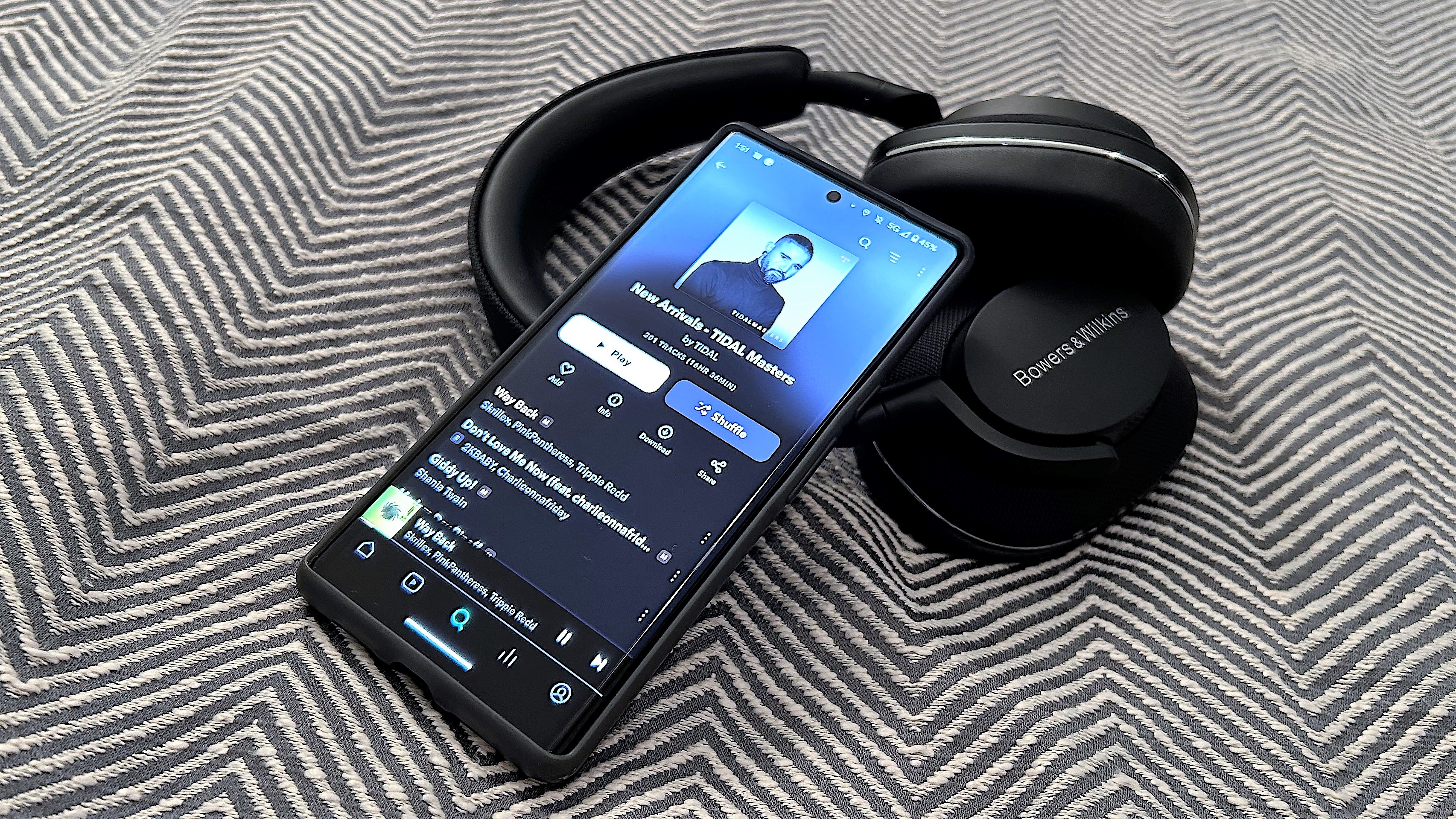
The platform has some features worth checking out, but Tidal just doesn't promote them well. For example, exclusive mode allows your music program to control your device's DAC and automatically adjust the frequency based on your song selection. Tidal Connect also lets you instantly launch the service on your wireless speakers for high-definition playback over Bluetooth, AirPlay, or Wi-Fi. These are just two of the many ways to improve your Tidal listening experience.
(Image credit: Tom's Guide)
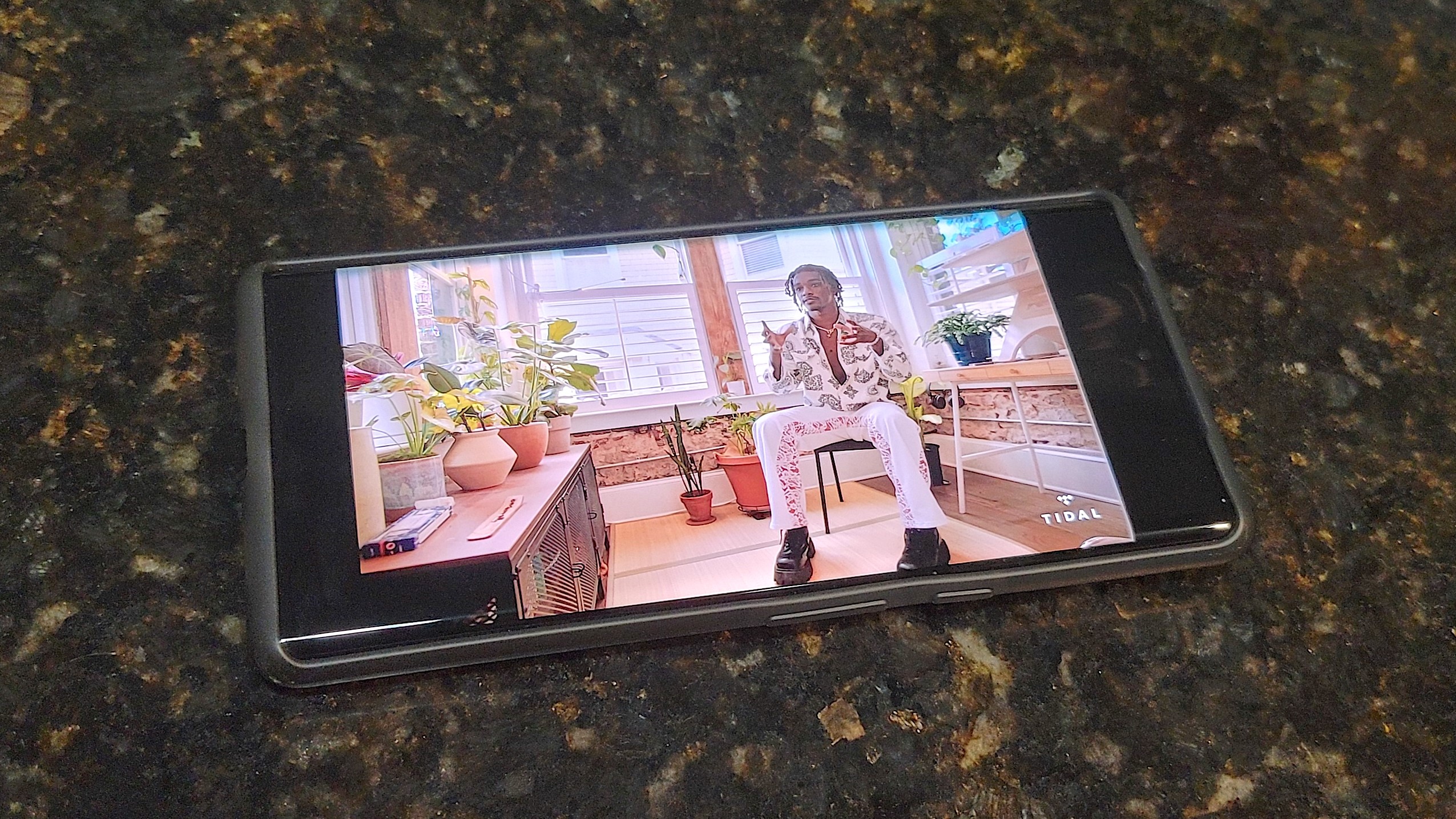
Tidal tracks and videos can be downloaded to your phone for offline listening in any streaming quality. Even more appealing is the amount of exclusive content available, including concerts, curated mixes, discovery radio stations, podcasts, and shows. I wish Tidal could transfer music libraries and playlists from other streaming services. Luckily, there are third-party apps for that (we recommend Soundiiz).
No other platform does curation better than Tidal. The recommendations generated by the algorithm are accurate. The most personalized music and video mix was favorable to my listening habits.[探索]Tabs simplifies your search with a beautiful interface and seamless navigation. Categories and menus are well assigned and not cluttered. My Daily Discovery is also a powerful tool for discovering new artists and songs.
Other standard features worth mentioning include playlist creation and social media sharing.
Tide Review: Sound Quality
(Image credit: Tom's Guide)
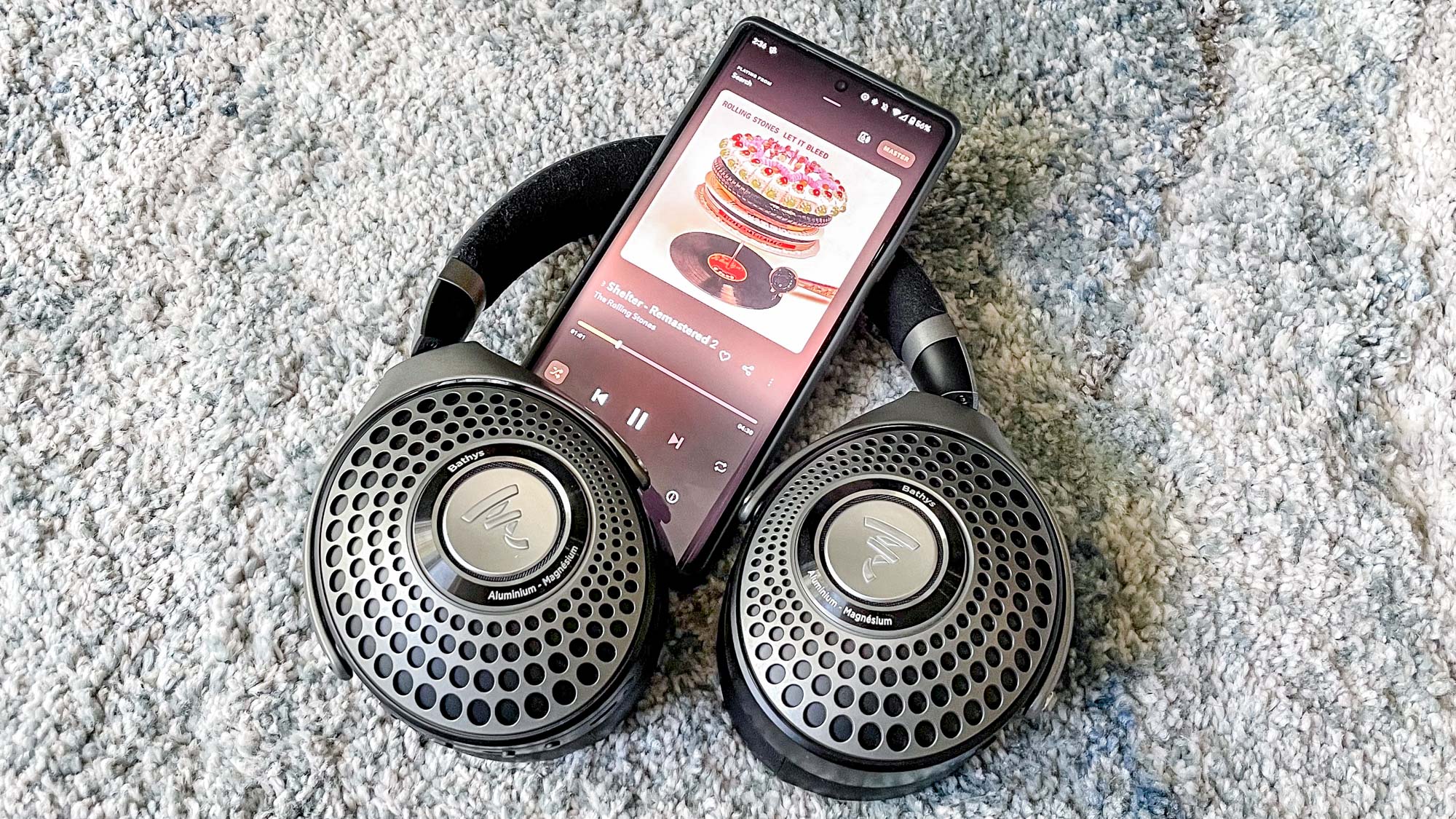
The Tidal music app offers great sound on all platforms. Mobile users can stream content over their cell phone plan or Wi-Fi at a variety of streaming speeds. Normal (96kbps) and High (320kbps) are streams over AAC that most devices support. Achieves CD quality with HiFi (1,411kbps).
However, Master (2,304 – 9,216kbps) is the ultimate way to experience Tidal, extracting every bit of information and detail from your recording and cramming it into a FLAC track. I could feel the vibrations of drums and percussion instruments. String instruments exhibited excellent reverberation that smoothly extended and disappeared. Most importantly, the master tracks brought out the subtle nuances of the complex recording. The cowbell of Blue Oyster Cult's “(Don't Fear) the Reaper” and the heavy breathing of the intro to Pink Floyd's “Wish You Were Here” were very clear.
Tidal automatically switches to HiFi when playing non-hi-res recordings to maintain the best streaming quality possible.
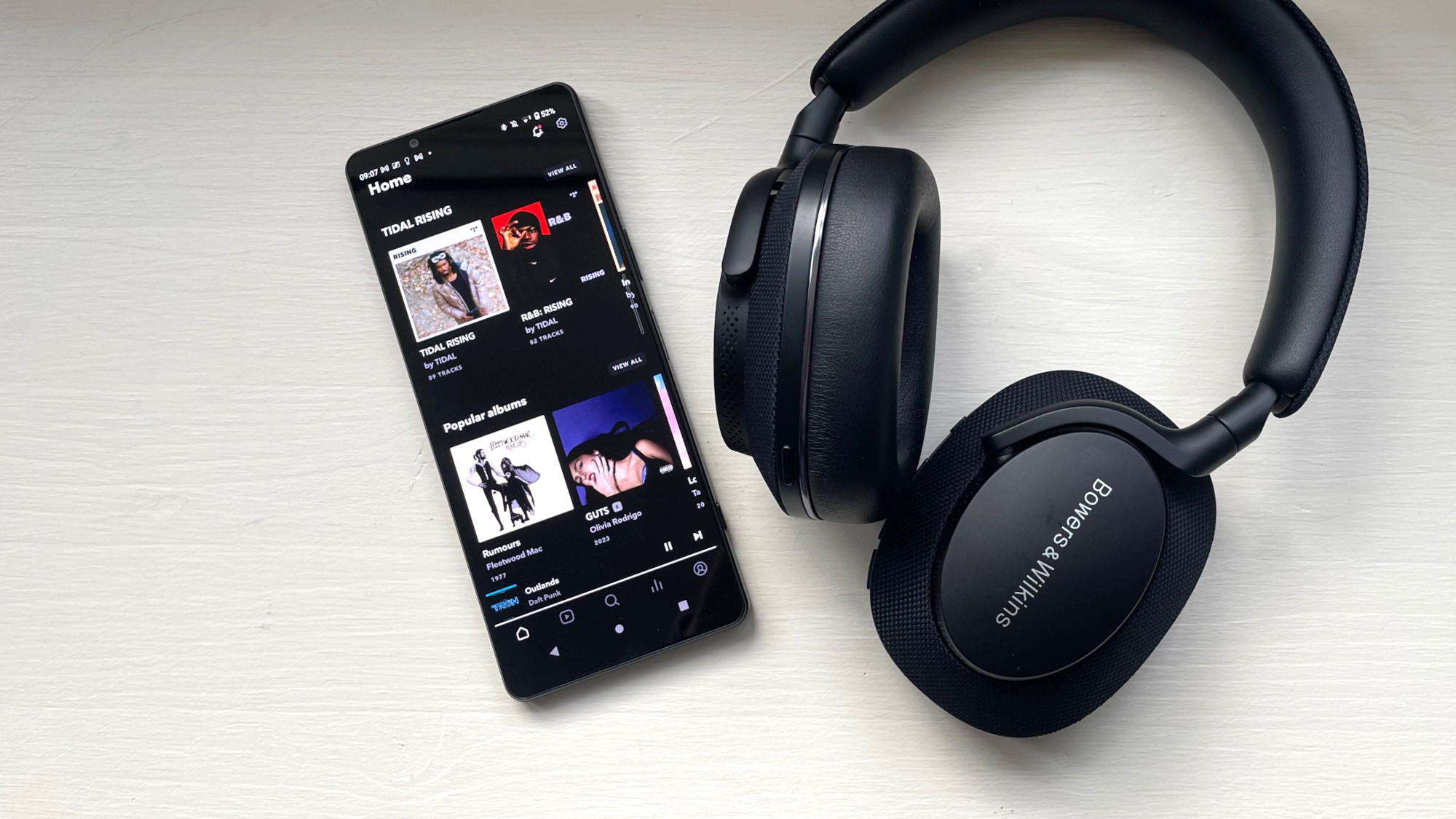
Of course, you'll need high-quality headphones to fully appreciate the lossless rental audio files Tidal offers. We recommend using the best headphones for audiophiles, with a selection of top-of-the-line models that offer excellent acoustics.
(Image credit: Future)
However, you may end up listening wirelessly via Bluetooth. So investing in the best wireless earbuds or the best wireless headphones will ensure you have the best audio quality starting point before being compressed into an audio codec that can be processed by Bluetooth wireless to your earbuds. Always make sure your playback device is set to output the highest output resolution.
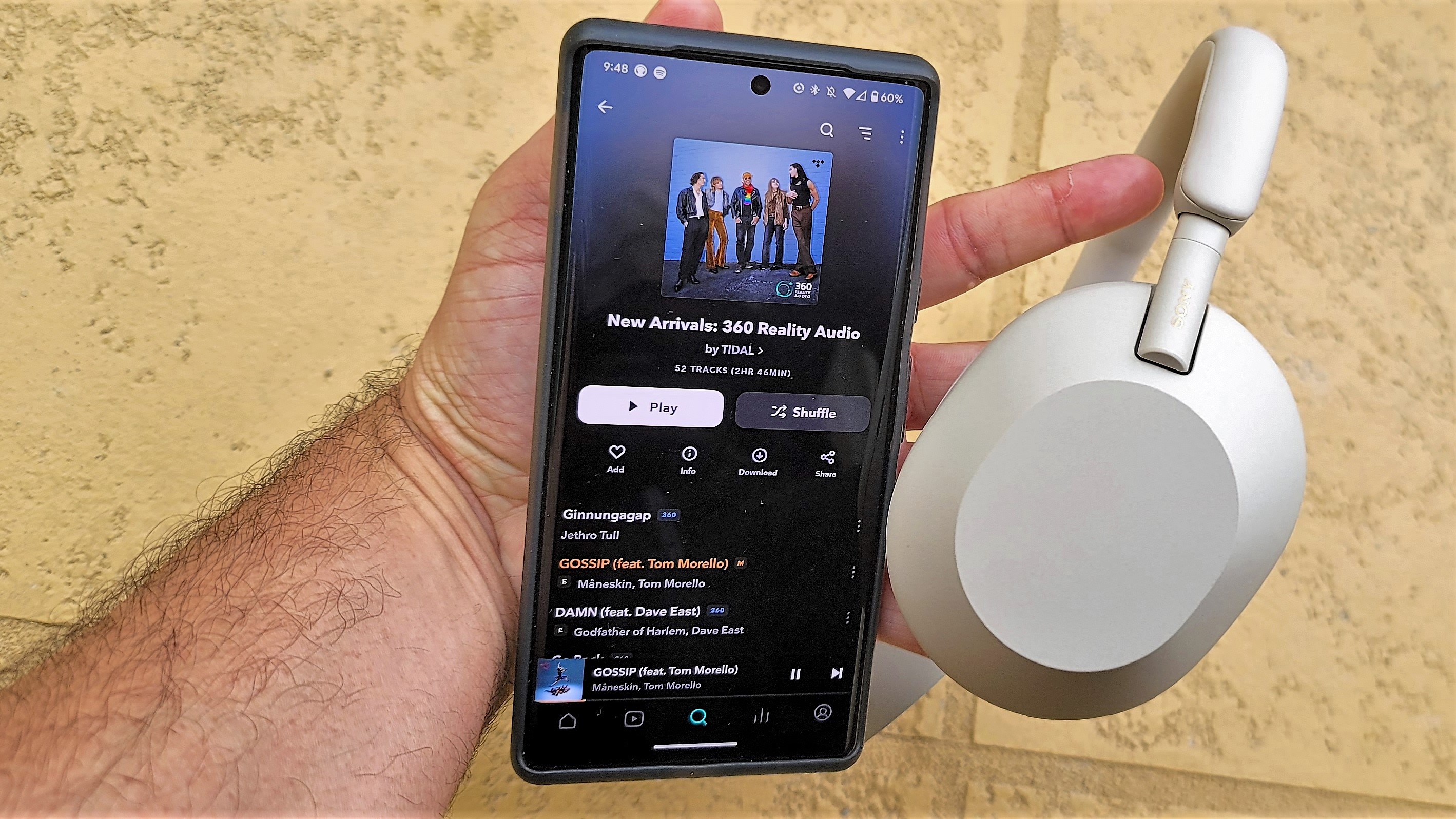
My iPhone 14 and MacBook Pro provided high-resolution sound quality, but music sounded better on my Android device. Support for the LDAC codec likely played a role, but I noticed a cleaner music presentation when listening on a Google Pixel 6 Pro with a Sony WH-1000XM5.
Depending on the model, even the best cheap wireless earbuds can give you satisfying audio. In fact, our audio editor Lee Dunkley recently tried out his $50 EarFun Air 2 with LDAC support and found it to be a great budget option for high-quality listening. got it.
(Image credit: Tom's Guide)
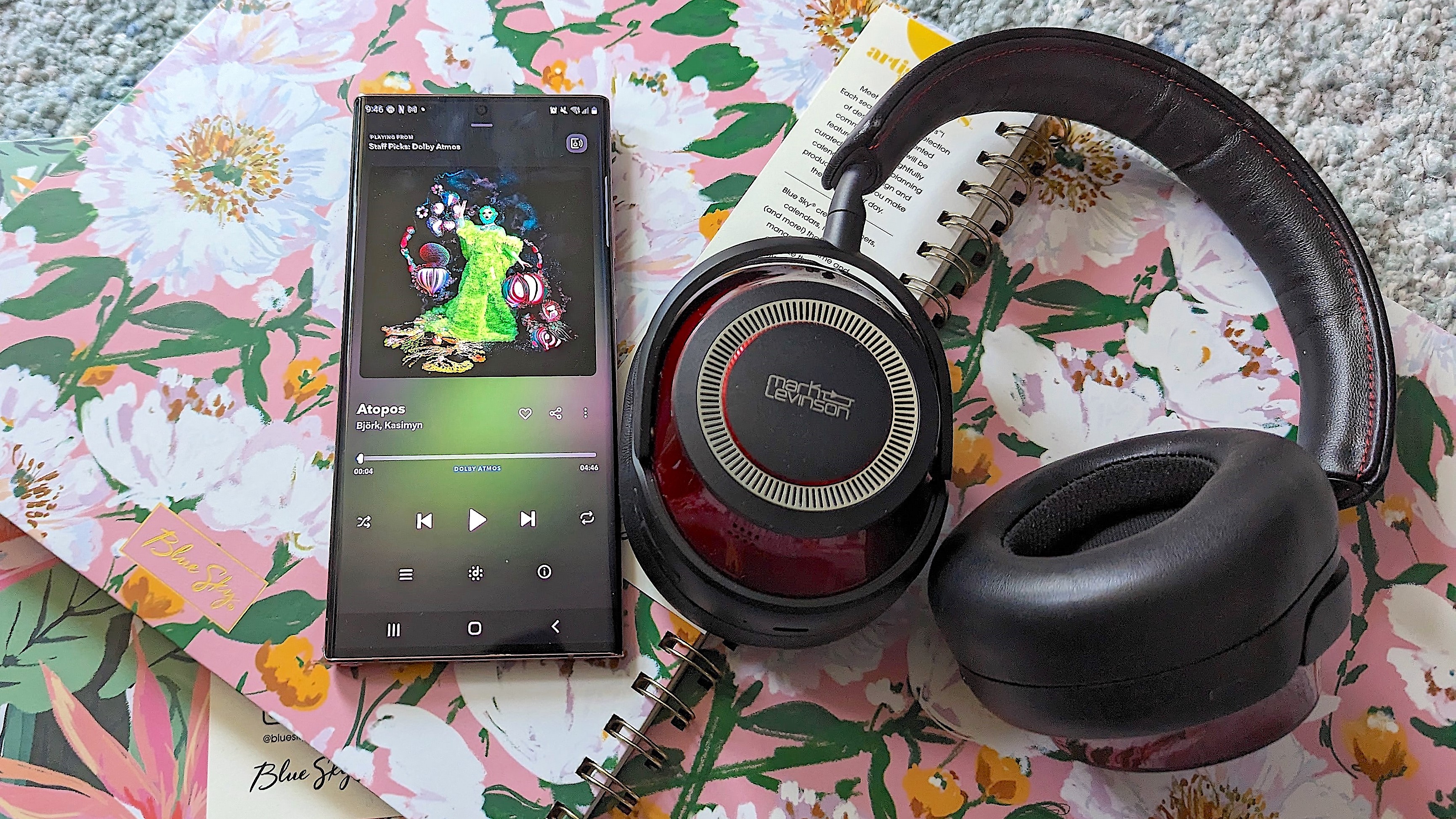
Immersive sound formats like Dolby Atmos and spatial audio aren't new to music streaming services. Apple Music works incredibly well with both. I would put Tidal under it.
The Dolby Atmos track delivers enhanced sound. On orchestral tracks, the bass, mids, and treble were clearer and had more impact. A Dolby Atmos compatible device is required to listen to this content. Switching to the Samsung Galaxy Note20 Ultra 5G gave me better results, especially after enabling these tips for improving his Samsung Galaxy phone's sound.
(Image credit: Tom's Guide)
360 Reality Audio brings greater fidelity to instruments and vocals. AirPods Max and AirPods Pro 2 support dynamic head tracking for richer 3D sound, giving Apple Music an edge in spatial audio. Sony headphones and earphones don't have it.
HiFi tracks and master tracks contain a lot of information and will consume data when streamed on your mobile plan. Streaming over Wi-Fi limits buffering and squeezes as much detail as possible from your tracks.
Tidal Survey: Verdict
Out-of-the-box features, great audio format support, great artist rewards, and the largest collection of Hi-Fi tracks available put Tidal at the top of the music streaming app throne. Audiophiles and casual listeners alike will benefit from the subscription price. Although the subscription price is high, it provides good overall value compared to most competing plans.