

An exotic African lizard that has become established in South Florida has been spotted making its way up the coast of the Sunshine State.
Peter's Rock Agama has made its way north to parts of central Florida, and West Melbourne residents are keeping an eye on the red-headed reptile.
“I saw the head. It was red and quite unusual. I've never seen a lizard this big,” resident Jingchen Bi told Orlando FOX35.
Ken Gioeli, a natural resources extension agent at the University of Florida, told the station he calls the lizard's migration along the coast an “invasion front.”
Iguana 'flyes into the house' and removes it from Miami kitchen cabinet
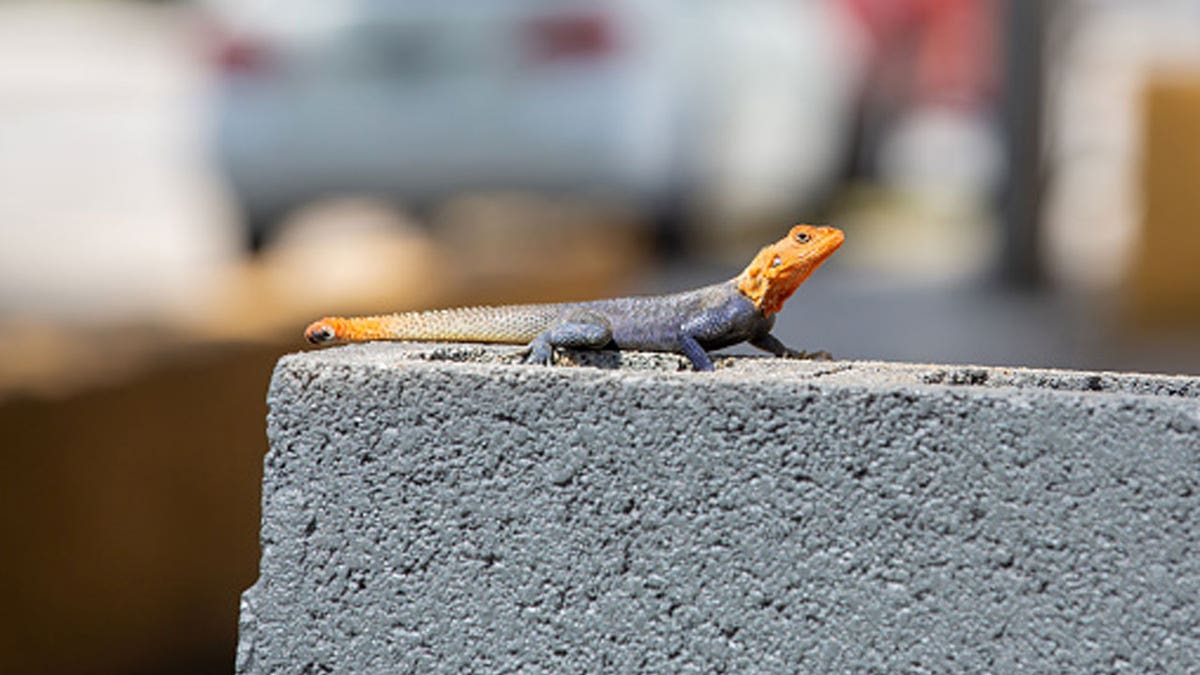
Peter's Rock Agama is found in South Florida. (St. Petersburg)
“They have some impact on the environment, but we still don't fully understand what they're doing,” he says.
According to the Florida Fish and Wildlife Conservation Commission (FWC), Peter's Rock Agama was first recorded in Florida in 1976 and has since established its presence in 20 counties from Monroe to Volusia. This species is native to tropical sub-Saharan Africa.
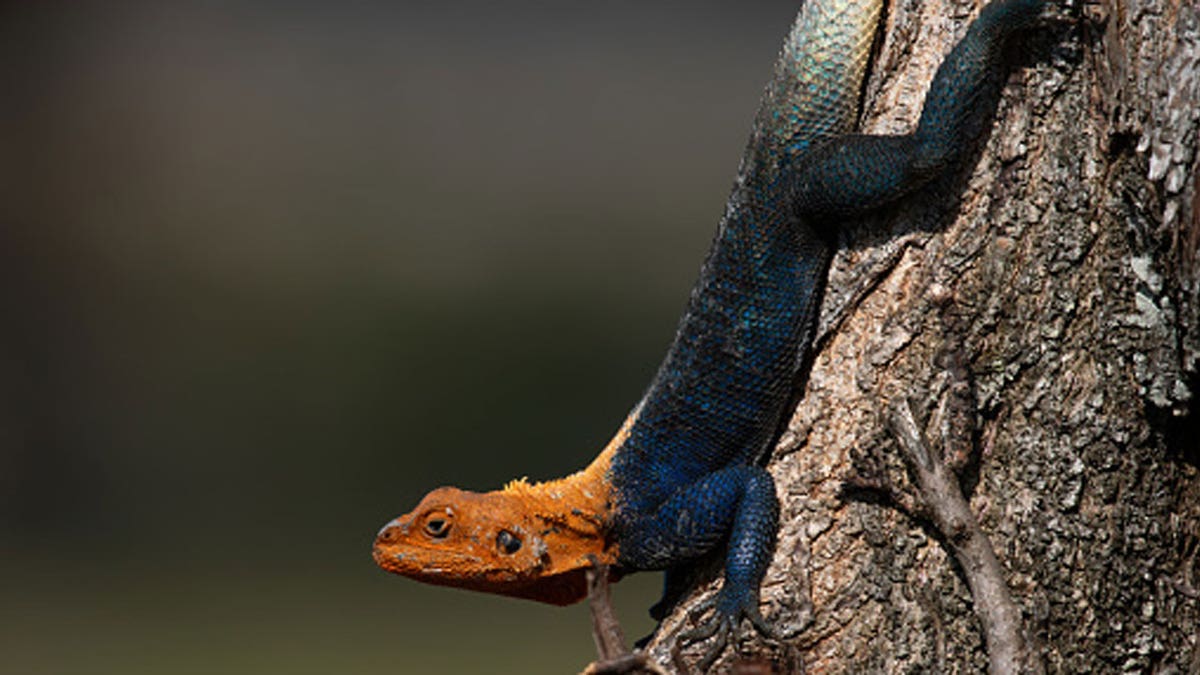
The lizard is native to sub-Saharan tropical Africa and is thought to have been released into Florida through the pet trade around 1976. (St. Petersburg)
Wildlife officials say the lizard's size and high population density could affect other species by preying on native species or competing with other species for resources. It is said that there is.
Video of Florida authorities cracking down on an alligator that wandered around an Air Force base tarmac
The species primarily eats ants, grasshoppers, crickets and other insects, but has also been observed eating snakes, lizards, birds and small mammals, according to the FWC.
Adult males of the Peter's Rock Agama can grow up to 12 inches long, and females of this species can reach 4 to 5 inches long.
The lizard was brought to Florida as a pet, but is believed to have escaped or been released.
Click to get the FOX News app
As for whether budding populations can be controlled, the FWC says, “It is likely impossible to eradicate established populations in Florida.”